Vern Snowstorm Paralyzes Almost 40 U.S. States – Death Toll Rises, Power Outages Surge

Human Cost: A Growing Death Toll
Local officials have confirmed at least eleven deaths directly linked to Storm Vern. In New York City, Mayor Zahran Mamdani reported that five unhoused individuals were found dead on Sunday, highlighting the heightened vulnerability of the homeless during extreme cold (NYC Mayor’s Office).
Hospitals across several states are reporting spikes in hypothermia, frostbite and carbon‑monoxide poisoning, conditions that often follow power outages and the use of unsafe heating methods.
Infrastructure Stressed to the Limit
Electrical Outages
Utility crews are working to restore service to more than 800,000 households and businesses. Downed lines encased in ice are slowing progress, especially in remote areas where access is difficult.
Aviation and Ground Travel
The Federal Aviation Administration (FAA) has canceled over 17,000 flights nationwide, affecting major hubs such as Dallas/Fort Worth, Chicago O’Hare, and New York’s JFK and LaGuardia airports (FAA Report, 2026‑02‑02).
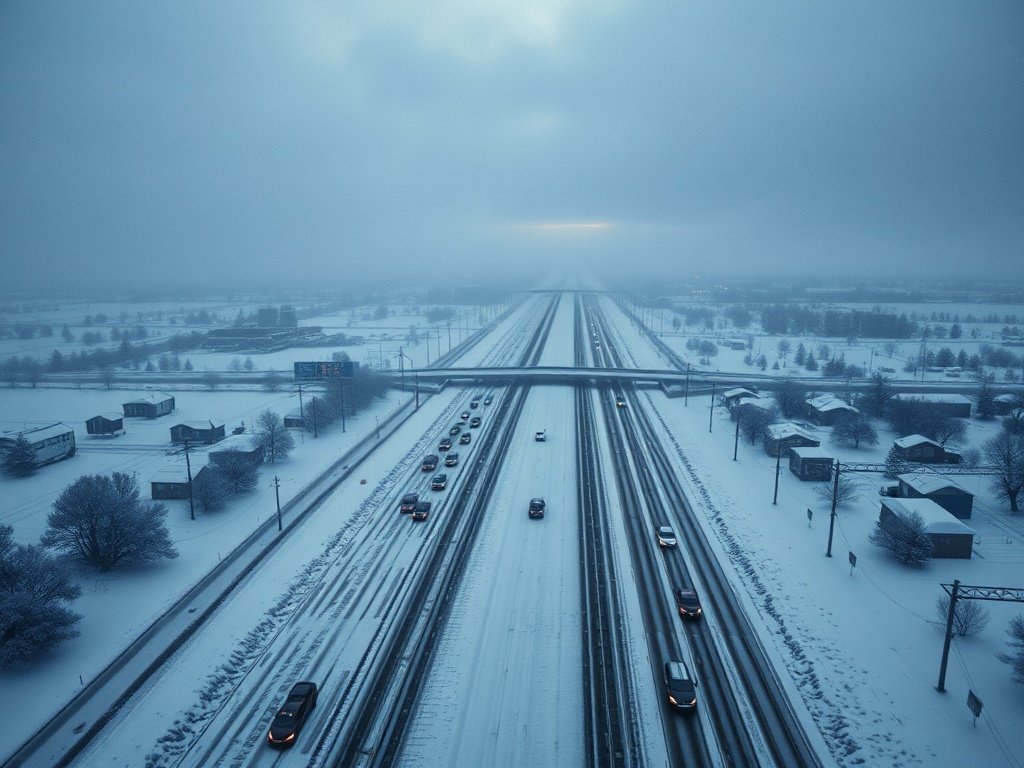
Interstate highways from I‑35 through the Northeast Corridor are littered with stalled vehicles. State transportation departments have issued travel bans on secondary roads to reduce crash risk.
Schools and Remote Learning
Urban districts in Chicago, Philadelphia and the Washington, D.C., metro area have closed schools for the week, shifting to online platforms. Rural districts, lacking snow‑removal equipment, have also suspended in‑person classes, forcing parents to manage childcare amid the emergency.
Meteorological Scope: From Texas Plains to the Atlantic Seaboard
Storm Vern has produced measurable snowfall in almost 40 states—a rarity for a single winter system. The National Weather Service (NWS) issued snowfall warnings of up to 10 cm (4 in) for Washington, D.C., and as much as 30 cm (12 in) for parts of New York and New Jersey (NWS Bulletin, 2026‑02‑02).
Roughly 90 million people are under “bitter cold” advisories, with temperatures projected to dip well below zero Fahrenheit in interior regions.
The storm originated from a deepening Arctic vortex that pushed polar air southward while a powerful jet stream supplied abundant moisture, creating a classic “snow belt” scenario on an unprecedented scale. Meteorologists compare Vern to the 1993 “Storm of the Century,” noting that early data suggest comparable or greater snowfall totals across a broader area.
Societal Implications
Homeless Populations at Risk
Emergency warming centers have been activated in New York City, but the rapid onset of the storm outpaced many outreach efforts. Advocacy groups are urging a national strategy that includes pre‑emptive housing solutions and rapid‑deployment shelters whenever severe winter warnings are issued.
Economic Consequences
Key economic impacts identified so far:
- Airline cancellations could cost the industry > $2 billion in lost revenue and compensation.
- Retail supply chains face delays; perishable goods are spoiling in power‑loss zones.
- The Department of Commerce estimates a several‑hundred‑million‑dollar drag on quarterly GDP due to reduced consumer spending and disrupted manufacturing.
- Utilities anticipate large repair bills for damaged transmission lines and substations.
- State governments may need emergency funding for road clearing, snow removal and restoration of public services.
Government Response and Future Preparedness
Federal agencies have mobilized resources. FEMA pre‑positioned supplies in regional hubs and is coordinating with state emergency management offices to prioritize power restoration and shelter provision (FEMA Press Release, 2026‑02‑02).
The Department of Energy issued guidance on grid hardening, emphasizing underground lines in high‑risk zones.
Mayors in Washington, D.C., Texas, Ohio and Pennsylvania have declared states of emergency, granting police and National Guard units expanded authority to enforce curfews, clear thoroughfares and assist local responders.
Policy analysts stress the need to revisit climate‑resilience strategies, recommending accelerated investment in grid modernization, expanded broadband for remote education, and systematic upgrades to municipal snow‑plow fleets.
Looking Ahead: A Prolonged Recovery
The National Weather Service warns that while the heaviest snowfall has passed, lingering cold fronts and secondary storms could keep temperatures below freezing for the next 10‑14 days. Residents are urged to monitor local advisories, conserve fuel and avoid non‑essential travel.
Communities are already rallying: neighbors checking on elderly relatives, volunteers distributing blankets and food, and charities mobilizing donations for emergency shelters.
Storm Vern will likely become a case study in emergency management, infrastructure resilience and social equity. Lessons learned—whether in power‑grid reliability, rapid shelter for the vulnerable, or supply‑chain flexibility—will shape how the nation prepares for future winter events.