


How Dubai Became the Horse Racing Capital of the Arab World
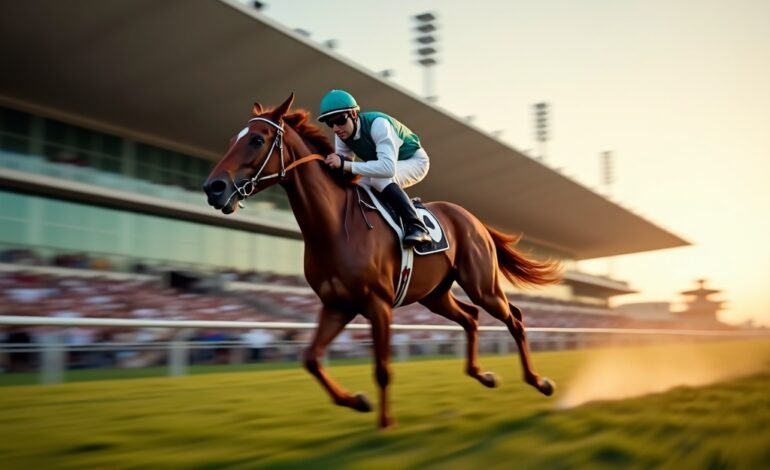

Dubai stands as the undisputed horse racing capital of the Arab world, anchored by the world’s richest race, the Dubai World Cup. This transformation from desert traditions to global racing dominance unfolded through visionary leadership, billions in investment, and a deep cultural connection to Arabian horses that spans centuries. The journey showcases how Dubai leveraged its passion for horses to create an international racing powerhouse.
The Early Foundations: Horse Racing in Pre-Modern Dubai
Arabian horses have been central to Emirati culture for generations. These magnificent animals served as essential companions for Bedouin tribes, providing transportation in the harsh desert environment and playing crucial roles in survival and warfare. The breeding of pure Arabian horses became a refined art, with bloodlines carefully preserved through generations.
The relationship between Emiratis and their horses extended beyond utility. Horses symbolized status, honor, and nobility. Traditional racing activities emerged organically, with informal competitions held in open desert spaces. These early races demonstrated the speed and endurance of Arabian horses, forming the cultural bedrock upon which modern Dubai’s racing industry would be built.
Arabian Horses: A Cultural Legacy
Arabian horses represent one of the world’s oldest and purest breeds. Their distinctive features include a refined head, large expressive eyes, and high tail carriage. These animals evolved in the Arabian Peninsula, developing remarkable stamina and intelligence to survive desert conditions. Emirati breeders maintained meticulous records of bloodlines, preserving these prized characteristics through selective breeding practices.
The cultural significance of Arabian horses permeates Emirati heritage. Poetry, art, and oral traditions frequently celebrate these animals. The Arabian Horse Association was established to promote and preserve this living cultural treasure. Dubai’s modern racing industry honors this legacy by prioritizing the preservation and celebration of Arabian horse bloodlines alongside international thoroughbreds.
From Desert Tracks to Racing Ambitions
Early racing in Dubai took place on informal desert tracks where local communities gathered to witness competitions. These events were more social gatherings than formal sporting competitions, reflecting the communal importance of horses in Emirati society. The rudimentary tracks offered little infrastructure, yet the passion for racing was evident.
The transformation from informal desert races to organized racing began in the late 20th century. Dubai’s leadership recognized the potential to develop horse racing as both a sport and a cultural ambassador. This vision set the stage for systematic development, including the establishment of proper venues, regulatory frameworks, and international connections that would eventually position Dubai as a global racing hub.
The Visionary Leadership: Sheikh Mohammed’s Racing Revolution
Sheikh Mohammed bin Rashid Al Maktoum’s passion for horse racing transformed Dubai from a regional player to a global racing powerhouse. His personal involvement, strategic investments, and unwavering commitment elevated the sport to unprecedented levels. Sheikh Mohammed’s vision extended beyond mere competition; he aimed to create a sustainable racing ecosystem that would bring international recognition to Dubai.
The establishment of Godolphin Racing in 1994 marked a turning point. This global thoroughbred racing operation became synonymous with excellence, winning major races worldwide. Sheikh Mohammed’s leadership combined traditional Emirati values with modern racing expertise, creating a unique approach that respected heritage while embracing innovation.
Establishing Godolphin: A Global Racing Powerhouse
Godolphin Racing revolutionized international horse racing through its global operations and commitment to excellence. The stable’s horses compete across multiple continents, establishing Dubai’s presence in racing capitals from England to Australia. Key victories in prestigious races like the Epsom Derby, Prix de l’Arc de Triomphe, and Dubai World Cup have cemented Godolphin’s reputation as a racing powerhouse.
The global network of Godolphin training centers ensures world-class care and preparation for racehorses. Sheikh Mohammed’s vision extended beyond winning races to building a sustainable industry. Godolphin’s impact extends to breeding programs, jockey development, and veterinary research, creating comprehensive ecosystem that benefits the entire racing community.
Strategic Investments in Bloodstock and Breeding
Dubai’s approach to bloodstock acquisition represents one of the most aggressive in racing history. Billions have been invested in purchasing champion racehorses, yearlings, and broodmares from around the world. These strategic acquisitions include legendary horses like Dubai Millennium, whose victory in the 2000 Dubai World Cup remains one of racing’s most memorable performances.
The breeding programs developed in Dubai focus on combining the finest bloodlines from around the globe. These operations emphasize both performance and soundness, producing horses capable of competing at the highest levels. The investment in breeding infrastructure includes state-of-the-art facilities staffed by leading veterinarians, geneticists, and nutritionists, ensuring the next generation of racing champions emerges from Dubai’s programs.
Flagship Events: The Dubai World Cup and International Racing Calendar
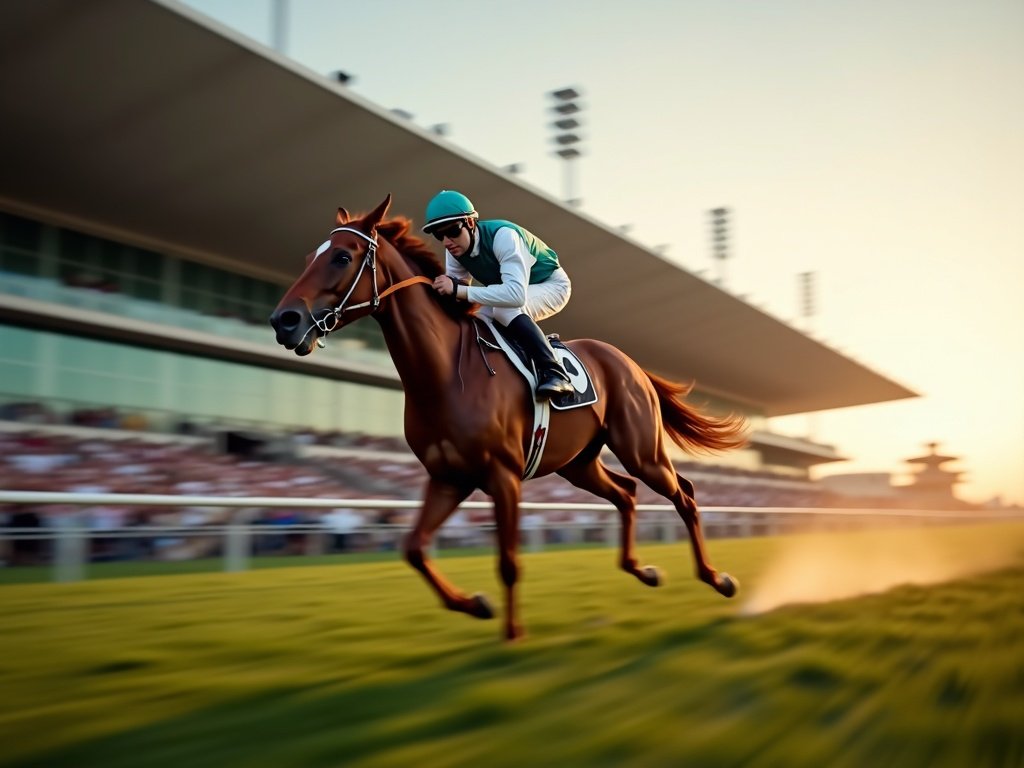
The Dubai World Cup stands as the world’s richest horse race with a prize fund of $30 million. This single night of racing attracts the planet’s finest horses, jockeys, and trainers to Meydan Racecourse each March. The event’s growth from its inaugural running in 1996 to its current status as racing’s crown jewel exemplifies Dubai’s commitment to excellence in the sport.
Dubai’s racing calendar extends beyond the World Cup, offering year-round opportunities for international competition. The Dubai Racing Club organizes numerous Group races throughout the season, creating a comprehensive schedule that complements major racing jurisdictions worldwide. This strategic positioning ensures Dubai remains relevant on the global racing calendar, attracting participants from Europe, Asia, and the Americas.
The Dubai World Cup: Racing’s Richest Night
The Dubai World Cup’s inaugural running in 1996 marked a milestone for international racing. With a prize fund of $4 million, it immediately established itself as one of the world’s richest races. The event has grown exponentially, with the 2023 edition offering $30 million in prize money across nine races on World Cup night.
Memorable moments define Dubai World Cup history. Dubai Millennium’s 2000 victory remains legendary, as he won by an astonishing seven lengths. Other notable winners include California Chrome, Arrogate, and Thunder Snow. The event attracts international superstars like Frankie Dettori and Mike de Kock, creating a global showcase of racing excellence that puts Dubai firmly on the world sporting map.
A Year-Round Racing Calendar
Dubai’s racing season spans from November to April, offering world-class competition throughout the cooler months. The calendar features numerous Group races, including the Dubai Turf, Dubai Sheema Classic, and Dubai Golden Shaheen. These events attract top-tier horses from major racing jurisdictions, creating a truly international competition.
The Dubai Racing Club’s strategic scheduling complements global racing calendars. Dubai’s winter meetings occur when European and North American racing is often dormant, attracting horses that might otherwise be inactive. This positioning has established Dubai as an essential destination for international owners and trainers seeking competitive opportunities and lucrative prize money.
World-Class Infrastructure: From Nad Al Sheba to Meydan
Dubai’s racing infrastructure evolution demonstrates the emirate’s commitment to excellence. The transformation from Nad Al Sheba Racecourse to the current Meydan Racecourse represents one of the most ambitious developments in racing history. Each venue reflected Dubai’s growing ambitions and increasing presence on the global racing stage.
The investment in world-class facilities has set new standards for racing venues worldwide. Dubai’s approach combines cutting-edge technology with exceptional spectator experiences, creating environments that celebrate both the sport and the cultural significance of horses. These venues serve as platforms for international sporting excellence while showcasing Emirati hospitality and innovation.
Nad Al Sheba: The Humble Beginnings
Nad Al Sheba Racecourse opened in 1986, marking Dubai’s entry into organized international racing. The venue featured a one-mile dirt track surrounded by modest facilities. Despite its relatively basic infrastructure, Nad Al Sheba quickly gained international recognition through the Dubai World Cup, which began in 1996.
The course’s significance extended beyond its physical attributes. Nad Al Sheba established Dubai’s credibility in international racing, proving that the emirate could host world-class events. The venue’s intimate atmosphere created memorable experiences for spectators, with close proximity to the track enhancing the excitement of race day. The success of Nad Al Sheba laid the foundation for future developments and demonstrated Dubai’s potential in the global racing landscape.
Meydan Racecourse: A Global Racing Landmark
Meydan Racecourse opened in 2010, replacing Nad Al Sheba as Dubai’s racing centerpiece. This architectural marvel features a grandstand that stretches 1.6 kilometers, incorporating a five-star hotel, luxury restaurants, and retail spaces. The course includes both a turf track and a dirt track, accommodating international racing standards.
The venue’s technological innovations include state-of-the-art racing surfaces, advanced timing systems, and comprehensive media facilities. Meydan’s integration of racing with hospitality and entertainment creates a unique spectator experience. The venue’s design incorporates elements of traditional Arabian architecture while embracing modern functionality, symbolizing Dubai’s approach to honoring heritage while embracing progress.
Economic Impact and Sports Tourism: Dubai’s Racing Industry
Dubai’s horse racing industry generates billions in economic activity annually. The sector supports numerous jobs across breeding, training, veterinary services, hospitality, and event management. Racing events attract high-net-worth visitors who contribute significantly to Dubai’s tourism economy through accommodation, dining, retail, and entertainment spending.
The racing industry has positioned Dubai as a premier destination for sports tourism. International participants and spectators visit specifically for racing events, extending their stays to experience other attractions. This synergy between sports and tourism has become a model for how specialized sporting excellence can drive broader economic growth and international recognition.
Billions in Investment and Economic Returns
Dubai’s investment in horse racing infrastructure exceeds $2 billion. This includes the development of Meydan Racecourse, Godolphin’s global operations, breeding facilities, and related amenities. The prize money offered at Dubai races totals approximately $35 million annually, attracting the world’s best horses and creating significant media exposure.
The economic impact extends beyond direct racing activities. Supporting industries include veterinary services, horse transportation equipment manufacturing, luxury hospitality, and event management. Real estate development around racing venues has created additional value. Studies indicate that racing events generate approximately $300 million in secondary economic activity through visitor spending on accommodation, dining, and entertainment during race weeks.
Dubai as a Global Sports Tourism Destination
Horse racing events complement Dubai’s broader tourism strategy by attracting a sophisticated international audience. The Dubai World Cup alone draws approximately 80,000 spectators annually, including prominent business leaders, royalty, and celebrities. These high-profile visitors extend their stays to experience other Dubai attractions, amplifying the economic impact.
The racing calendar provides Dubai with recurring international media exposure. Broadcast partners include major networks in Europe, Asia, and North America, showcasing Dubai to global audiences. This exposure enhances Dubai’s brand as a modern, sophisticated destination capable of hosting world-class events. Racing tourism has also stimulated development of related luxury services, from private aviation to exclusive hospitality packages, creating a comprehensive ecosystem that benefits multiple sectors of Dubai’s economy.
Cultural Significance: Horses in Modern Emirati Identity
Horse racing has become a bridge between Emirati traditions and global modernity. The sport honors the historical significance of horses in Bedouin culture while embracing contemporary racing techniques and international competition. This balance reflects Dubai’s broader approach to cultural preservation and innovation.
Racing events serve as platforms for cultural exchange, bringing together participants from diverse backgrounds. The international nature of Dubai’s racing community facilitates cross-cultural understanding while celebrating Emirati hospitality and expertise. These events have become integral to Dubai’s identity as a global city that respects its heritage while engaging with the world.
Preserving Heritage Through Racing Excellence
Dubai’s racing industry actively preserves Emirati equestrian traditions through specialized programs. The Dubai Arabian Racing Committee promotes pure Arabian horse racing, maintaining the cultural significance of these animals. These races occur alongside thoroughbred competitions, creating a comprehensive racing calendar that honors both international excellence and local heritage.
Equestrian sports education programs connect younger generations with their cultural heritage. Initiatives like the Dubai International Arabian Horse Championship showcase the beauty and athleticism of Arabian horses while educating participants about their historical significance. These efforts ensure that traditional knowledge about horsemanship, breeding, and care continues alongside modern racing practices, creating a continuum that respects the past while advancing the future.
International Diplomacy on the Turf
Dubai’s racing events serve as platforms for international relations and soft diplomacy. The Dubai World Cup attracts royalty, government officials, and business leaders from around the world. These interactions occur in an environment of shared passion for horses, creating opportunities for relationship building that transcend political differences.
The racing community in Dubai represents a microcosm of global cooperation. Trainers, jockeys, and owners from diverse backgrounds collaborate and compete, demonstrating how shared interests can bridge cultural divides. These connections extend beyond race days, fostering ongoing professional relationships and mutual respect that benefit Dubai’s international standing and global influence.
The Future of Horse Racing in Dubai: Innovations and Ambitions
Dubai continues to invest in the future of horse racing through technological innovation and sustainable practices. The emirate aims to maintain its position as the Arab world’s racing capital while adapting to changing industry standards and environmental considerations. These forward-looking initiatives ensure that Dubai’s racing industry remains relevant and competitive on the global stage.
The integration of technology and data analytics represents a key focus area. Dubai’s racing operations increasingly leverage advanced monitoring systems, genetic research, and performance analytics to enhance both equine welfare and competitive excellence. These innovations position Dubai at the forefront of racing development, setting new standards for the industry worldwide.
Technological Advancements in Racing and Training
Dubai’s racing facilities incorporate cutting-edge technology to enhance both performance and safety. High-speed cameras and timing systems provide precise data on race outcomes, while advanced track surfaces minimize injury risks. Training facilities utilize motion analysis systems and biometric monitoring to optimize equine conditioning and prevent injuries.
The integration of data analytics has transformed how horses are trained and managed. Dubai’s operations increasingly use performance metrics to tailor training programs, identify potential, and make informed decisions about racing strategies. This data-driven approach complements traditional horsemanship, creating a balanced methodology that respects both scientific insights and the intuitive understanding of equine behavior.
Sustainability and Responsible Racing Initiatives
Dubai’s racing industry has implemented comprehensive sustainability initiatives to minimize environmental impact. These include water conservation systems in training facilities, waste reduction programs, and energy-efficient venue designs. The Dubai Racing Club has established environmental standards that all participants must follow, promoting responsible practices throughout the industry.
Equine welfare remains a top priority in Dubai’s racing approach. Advanced veterinary care, retirement programs for former racehorses, and strict medication protocols demonstrate the emirate’s commitment to ethical racing practices. These initiatives align with global best practices while incorporating Emirati values of care and respect for animals. Dubai’s position as a racing leader includes the responsibility to set positive examples for the industry’s future development.
Frequently Asked Questions
When did Dubai first establish itself as a horse racing center?
Dubai began formalizing its horse racing industry in the 1990s with the establishment of key infrastructure and events. The opening of Nad Al Sheba Racecourse in 1986 marked the beginning of organized racing, while the inaugural Dubai World Cup in 1996 established Dubai’s presence on the international racing stage.
What makes the Dubai World Cup significant in global horse racing?
It’s the world’s richest horse race with enormous prize money that attracts top international horses and jockeys. With a $30 million purse, the Dubai World Cup offers more prize money than any other horse race, making it the ultimate target for owners and trainers worldwide.
How has Sheikh Mohammed influenced Dubai’s horse racing industry?
His vision and investments transformed Dubai from a regional player to a global racing powerhouse through Godolphin and world-class facilities. Sheikh Mohammed’s personal passion for racing combined with strategic investments in bloodstock, infrastructure, and global operations established Dubai as a serious contender in international horse racing.
What is the economic impact of horse racing on Dubai’s economy?
Billions in investment, job creation, tourism revenue, and positioning Dubai as a global sports destination. The racing industry generates approximately $2 billion in direct investment and $300 million in secondary economic activity through visitor spending during race weeks.
How does horse racing connect to Emirati cultural heritage?
It honors the historical significance of Arabian horses in Bedouin culture while advancing the sport through modern techniques. Dubai’s racing industry preserves traditional breeding practices and celebrates Arabian horses while embracing international competition and technological innovation.
Final Whistle
Dubai’s journey from desert tracks to global racing capital represents one of sport’s most remarkable transformations. Through visionary leadership, world-class infrastructure, and cultural significance, Dubai has established itself as the undisputed horse racing capital of the Arab world.
The emirate’s racing success combines deep cultural roots with ambitious innovation. This balance of tradition and progress has created a sustainable industry that benefits both the local community and international participants. As Dubai continues to invest in the future of horse racing through technology and sustainability initiatives, its position as a global racing leader appears secure.
For ongoing coverage of UAE sports news, racing updates, and exclusive event coverage, follow Shuraa News. Our dedicated team brings you the latest developments from Dubai’s thriving sports scene, ensuring you stay informed about the events and stories that matter most to sports fans across the region.
