




Hamdan bin Mohammed Launches “Season of Wulfa”: A Nationwide Celebration of Emirati Heritage, Spirituality and Community Values
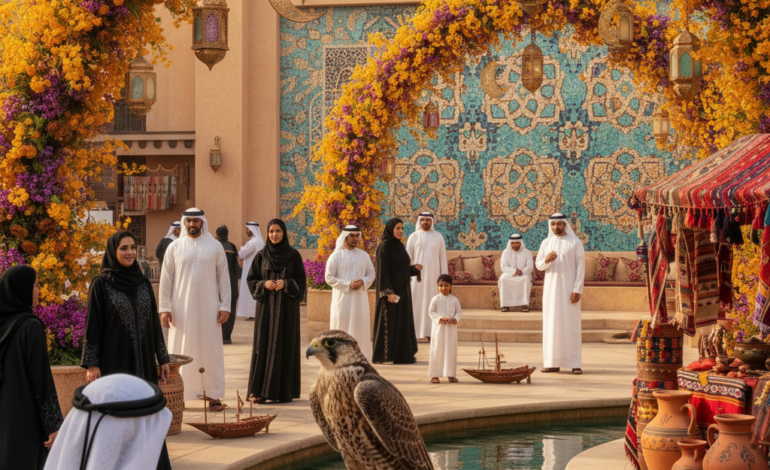

On 12 January 2026, His Highness Sheikh Hamdan bin Mohammed bin Rashid Al Maktoum, Crown Prince of Dubai, Deputy Prime Minister and Minister of Defence, officially inaugurated the Season of Wulfa. The cultural programme, which runs from the 15th day of Sha‘bān (locally known as Hag Al Leila) through the holy month of Ramadan and culminates with the twin festivals of Eid Al‑Fitr and Eid Al‑Adha, is designed to showcase Emirati traditions, promote social cohesion and reinforce Dubai’s reputation as a global hub of tolerance.
Understanding the Vision Behind “Season of Wulfa”
The word “Wulfa” derives from the classical Arabic term *‘ulfa*, meaning intimacy, affection and a shared sense of belonging. In modern Emirati usage it captures the warmth of community ties and the spirit of mutual support that has historically underpinned life in the Gulf. By naming the initiative after this concept, the leadership signals an intention to translate a timeless cultural sentiment into a series of public experiences that resonate with residents, expatriates and international visitors alike.
Sheikha Latifa bint Mohammed bin Rashid Al Maktoum, chairperson of the Dubai Culture and Arts Authority, has been appointed to steer the execution of the season. Her mandate includes coordinating more than fifty events across thirty venues—historic souks, neighbourhood centres and newly commissioned cultural precincts. The programme relies on a public‑private synergy that brings together government ministries, private enterprises and grassroots community groups, ensuring both impact and sustainability.
Mapping the Calendar: From Hag Al Leila to Eid
The Season of Wulfa opens with Hag Al Leila, a night traditionally marked by family gatherings, poetry recitations and lantern lighting. Organisers have announced night‑time installations that will illuminate Dubai’s historic districts, accompanied by live performances of Al Majlis storytelling and Nabati poetry workshops aimed at younger audiences.
Ramadan Activities: Reflection and Charity
As the lunar calendar advances into Ramadan, the programme pivots toward activities that underscore reflection and generosity. Key initiatives include:
- Community Iftar Corridors: Pop‑up dining spaces in Al Seef, Al Barsha and Deira where residents can share meals with newcomers and expatriates, fostering cross‑cultural dialogue.
- Heritage Workshops: Hands‑on sessions on traditional crafts such as sadu weaving, khatt calligraphy and al‑qalb (date‑based culinary arts) hosted in collaboration with the Emirates Heritage Club.
- Interfaith Panels: Forums featuring scholars from Islam, Christianity, Hinduism and other faiths discussing shared ethical principles and the role of spirituality in public life.
Eid Celebrations: Connection and Blessing
The season culminates with coordinated Eid celebrations that blend solemnity with festivity. Anticipated highlights include a city‑wide lantern parade, a “Blessings” concert featuring orchestras from the UAE, Egypt, India and the United Kingdom, and a series of charitable drives aimed at supporting families affected by recent regional conflicts.
The Three Pillars of “Season of Wulfa”
Sheikha Latifa outlined a framework built on three interlocking pillars that guide every event:
1. Reflection
Activities invite participants to contemplate personal and collective identity, drawing on the introspective practices inherent to Ramadan.
2. Connection
Initiatives create physical and symbolic bridges between disparate groups, leveraging Dubai’s status as a melting pot of nearly two hundred nationalities.
3. Blessing
Acts of generosity translate spiritual gratitude into tangible assistance for those in need, reinforcing the Emirati value of karam (generosity).
Strategic Objectives and Expected Outcomes
The launch of the Season of Wulfa aligns with several broader policy goals articulated by the Dubai Executive Council:
- Cultural Preservation: By foregrounding endangered crafts and oral traditions, the programme seeks to safeguard intangible heritage that might otherwise be eclipsed by rapid urban development.
- Social Cohesion: Shared meals, collaborative art projects and inclusive dialogue are intended to reinforce a collective Emirati identity that coexists with the expatriate fabric of the city.
- Tourism Diversification: Positioning cultural tourism alongside Dubai’s established luxury and commercial offerings aims to attract visitors seeking authentic, experience‑driven travel.
- Economic Stimulus: Involvement of private‑sector sponsors, local artisans and hospitality providers is projected to generate ancillary revenue streams and create employment opportunities in the creative economy.
His Highness Sheikh Hamdan emphasized the importance of marrying tradition with innovation: “Our heritage is a living organism. When we reinterpret it through contemporary lenses, we not only honor our ancestors but also provide younger generations with a language they can claim as their own.”
Community and Business Participation
More than 300 local businesses have pledged support, ranging from boutique hotels offering discounted accommodation for cultural tourists to technology firms developing augmented‑reality tours of historic sites. The Dubai Chamber of Commerce will host a “Cultural Business Forum” that convenes entrepreneurs, investors and policy‑makers to explore sustainable models for heritage‑based enterprises.
Neighbourhood committees have been mobilised to coordinate volunteer programmes, ensuring residents have direct input into event design and execution. The Dubai Culture and Arts Authority has opened a digital portal where citizens can submit ideas for micro‑projects, vote on proposed activities and track progress.
Potential Challenges and Mitigation Strategies
While ambitious, the Season of Wulfa faces logistical and sociocultural considerations:
- Crowd Management: Anticipated high footfall in heritage districts necessitates robust security and crowd‑control plans, especially during night‑time installations.
- Cultural Sensitivity: Balancing the celebration of Islamic rituals with inclusive programming for non‑Muslim residents requires careful curation to avoid perceived exclusivity.
- Environmental Impact: Temporary structures and lighting installations raise concerns about waste; organisers have pledged recyclable materials and green‑energy sources.
To address these issues, Dubai Municipality’s Department of Urban Planning will conduct real‑time monitoring of visitor flows, while the Ministry of Climate Change and Environment will oversee sustainability audits for each event.
International Resonance and Diplomatic Interest
Dubai’s ambition to project itself as a model of intercultural harmony extends beyond its borders. Cultural attachés from several embassies have already expressed interest in sending delegations to participate in flagship events. UNESCO’s Regional Office for the Arab States has signalled potential collaboration on documentation of intangible heritage practices featured during the season.
The timing of the Season of Wulfa coincides with global discourse on migration, identity and cultural preservation. By showcasing a framework that marries reverence for tradition with open‑door hospitality, the emirate hopes to influence policy conversations in other multicultural metropolises.
Future Outlook: A Blueprint for Ongoing Cultural Initiatives
If successful, the Season of Wulfa could become a template for subsequent cultural calendars in the UAE, potentially expanding to include other significant dates such as National Day and the anniversary of the Union. The initiative’s emphasis on digital engagement—through interactive apps, virtual tours and live‑streamed panels—suggests a longer‑term strategy to make Emirati heritage accessible to diaspora communities worldwide.
Sheikha Latifa summed up the broader significance: “Our story is written not only in skyscrapers but also in the songs sung at family gatherings, the recipes passed down through generations, and the gestures of generosity that define us. By celebrating ‘Wulfa,’ we invite every resident and visitor to become a custodian of that story, to feel the pulse of our past while shaping the rhythm of our future.”
Conclusion: A New Chapter in Dubai’s Cultural Policy
The launch of the Season of Wulfa marks a decisive step in Dubai’s cultural agenda, intertwining reverence for age‑old customs with a modern, inclusive vision of community life. Through a meticulously coordinated schedule of events, a robust public‑private partnership model and a clear articulation of its three foundational pillars, the initiative aspires to deepen social bonds, preserve intangible heritage and reinforce the city’s standing as a beacon of tolerance and coexistence. As the first lanterns are lit on Hag Al Leila, the true measure of success will be how effectively the programme transforms fleeting moments of celebration into lasting threads of shared identity for a rapidly evolving metropolis.
