



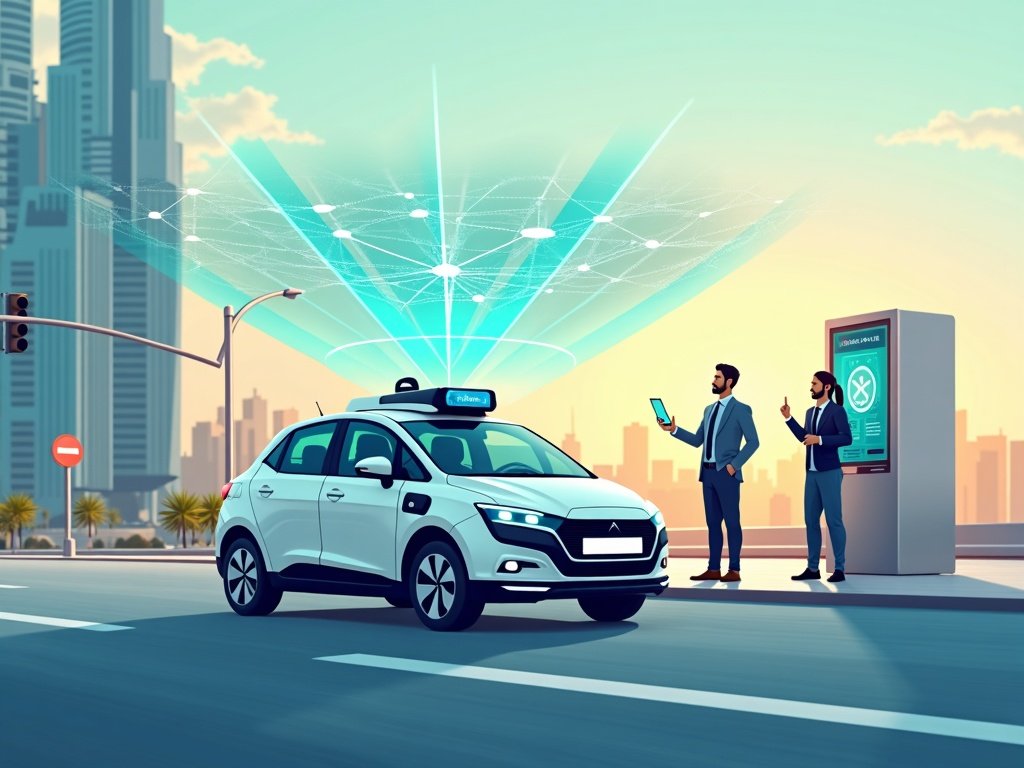


Dubai’s New Driverless Taxis Are Now Picking Up Real Passengers
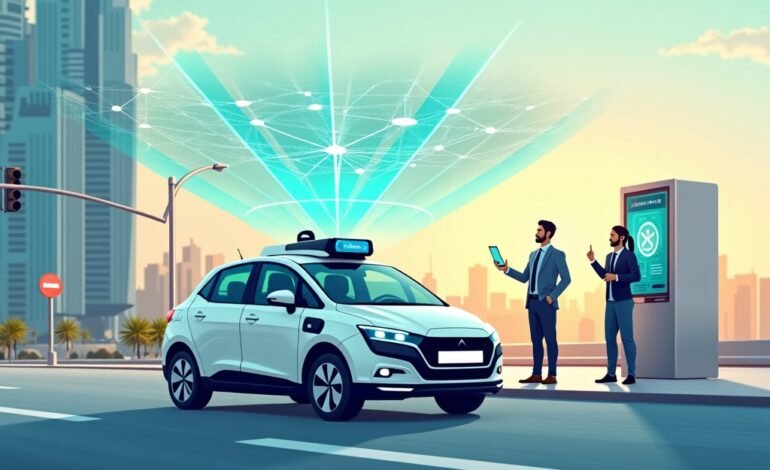

Dubai’s autonomous taxi service has officially launched for public passengers in 2026, marking a major milestone in the UAE’s smart transportation strategy. The service, operated under the Dubai Autonomous Transportation Strategy and supported by the Roads and Transport Authority (RTA), now transports real passengers across designated zones in the emirate using fully driverless vehicles. This launch positions Dubai as a global leader in autonomous mobility and reflects the emirate’s commitment to becoming one of the world’s most technologically advanced cities. This article covers the technology powering the vehicles, the booking process for UAE passengers, safety and regulatory frameworks, and the broader implications for Dubai’s smart city future.
What Are Dubai’s New Driverless Taxis?
Dubai’s driverless taxi service uses fully autonomous electric vehicles operating without a human driver, deployed through a partnership between RTA, Dubai Future Foundation, and leading global autonomous vehicle technology providers. The service entered full public operation in early 2026 after completing extensive testing phases across multiple Dubai neighborhoods. Passengers can now book and ride in these vehicles through a dedicated mobile application, with the service currently available in high-traffic commercial and residential zones including Downtown Dubai, Dubai Marina, and Business Bay.
The vehicles are Level 4 autonomous cars, meaning they can handle all driving tasks within defined operational areas without human intervention. RTA confirmed that the fleet consists of purpose-built autonomous pods manufactured by established automotive and technology companies, featuring zero traditional driver controls. The Dubai Autonomous Transportation Strategy targets 25 percent of all trips in Dubai to be conducted via autonomous vehicles by 2030, and this taxi service represents a critical step toward that goal.
The AI and Sensor Technology Behind the Autonomous Rides
The driverless taxis operate using a sophisticated combination of artificial intelligence algorithms, sensor arrays, and real-time data processing systems designed to navigate Dubai’s urban environment safely and efficiently. Each vehicle is equipped with multiple lidar sensors that create three-dimensional maps of the surrounding area, radar systems that detect objects and measure distances, high-resolution cameras that identify traffic signals and road markings, and GPS modules that provide precise location tracking accurate to within centimeters.
The AI software processes data from all sensors simultaneously, making split-second decisions about acceleration, braking, lane changes, and navigation. The system has been trained on millions of kilometers of driving data collected from Dubai’s roads, with specific adaptations for local traffic patterns, high temperatures, sandstorm conditions, and the city’s unique road infrastructure. The UAE Artificial Intelligence Office collaborated with technology providers to ensure the AI systems meet national standards for safety and performance in Gulf climate conditions.
- Lidar sensors: 360-degree coverage with range up to 200 meters for object detection
- Radar systems: Short-range and long-range modules for accurate distance measurement
- Camera arrays: Minimum eight high-resolution cameras providing complete vehicle perimeter visibility
- GPS and positioning: Real-time kinematic positioning accurate to within 5 centimeters
- Processing power: Dedicated automotive-grade AI processors capable of processing over 1 terabyte of sensor data per hour
- Connectivity: 5G network integration for vehicle-to-infrastructure communication with Dubai’s smart traffic management systems
Navigation and Safety Systems in Dubai’s Urban Environment
The autonomous taxis integrate directly with Dubai’s smart city infrastructure through connected traffic signal systems that communicate upcoming light changes and traffic flow data to vehicles in real time. RTA has equipped select roadways with dedicated autonomous vehicle lanes featuring enhanced road markings and sensor-readable signage that the taxis use for improved navigation accuracy. The system operates using multiple redundant safety protocols including backup power supplies, duplicate sensor arrays, and fail-safe mechanisms that bring the vehicle to a controlled stop if any critical system fails.
The Telecommunications and Digital Government Regulatory Authority (TDRA) worked with RTA throughout the testing phase to ensure cybersecurity protections for vehicle communication systems and verify that all wireless data transmissions meet UAE encryption standards. Each vehicle maintains constant communication with a remote operations center staffed by trained technicians who can monitor vehicle status and provide remote guidance if the AI system encounters an unusual scenario it cannot resolve independently.
How to Book and Ride: A Step-by-Step Guide for UAE Passengers
Passengers book driverless taxi rides through the official Dubai Autonomous Taxi mobile application, available for iOS and Android devices through the UAE Apple App Store and Google Play Store. The booking process mirrors traditional ride-hailing apps but includes additional safety confirmations and passenger guidelines specific to autonomous vehicles.
- Download the Dubai Autonomous Taxi app and create an account using Emirates ID verification
- Enable location services and enter your pickup location within the designated service zones
- Select your destination and review the estimated fare and arrival time
- Confirm the booking and wait for the assigned vehicle, which displays your booking reference on its external screens
- Use the app to unlock the vehicle doors when it arrives at your pickup point
- Enter the vehicle, confirm your identity through the in-cabin touchscreen, and fasten your seatbelt
- Confirm you are ready to depart through the touchscreen interface
- Monitor the journey through the in-cabin display showing route, speed, and estimated arrival time
- Exit the vehicle when it arrives at your destination and completes the automatic door unlock sequence
Payment is processed automatically through the app using registered credit cards, debit cards, or digital wallets including Apple Pay and Google Pay. The fare structure follows RTA’s standard taxi pricing model with a base fare and per-kilometer charge, though driverless rides currently include a small premium compared to traditional taxis to support the service’s operational costs.
| Service Type | Base Fare (AED) | Per Kilometer (AED) | Waiting Time per Minute (AED) |
|---|---|---|---|
| Traditional RTA Taxi | 5.00 | 1.96 | 0.50 |
| Driverless Taxi (2026 Launch Rate) | 7.00 | 2.20 | 0.50 |
Service Coverage and Operating Hours in 2026
The driverless taxi service operates in defined geofenced zones covering approximately 40 square kilometers of Dubai’s most connected and infrastructure-ready areas. RTA has confirmed that service coverage will expand in phases throughout 2026 and into 2027 as more vehicles join the fleet and additional road infrastructure upgrades are completed.
- Current operational zones: Downtown Dubai, Dubai Marina, Business Bay, Dubai International Financial Centre, parts of Jumeirah
- Operating hours: 6:00 AM to 11:00 PM daily during initial phase
- Planned expansion zones for Q3 2026: Dubai Internet City, Dubai Media City, Dubai Silicon Oasis
- Target expansion zones for 2027: Dubai Airport area, Palm Jumeirah, Dubai Hills Estate
- Fleet size at launch: 50 vehicles, with plans to scale to 200 vehicles by end of 2026
RTA stated in its official launch announcement that the service will gradually extend operating hours to 24/7 availability once initial operational data confirms system reliability across different times of day and traffic conditions.
Safety, Regulation, and the UAE’s Autonomous Vehicle Framework
Every driverless taxi includes multiple safety systems designed to protect passengers and other road users. Each vehicle features an emergency stop button accessible from all passenger seats that immediately halts the vehicle and alerts the remote operations center. Passengers can communicate with trained support staff through a two-way audio and video system integrated into the cabin. The vehicles are programmed to prioritize passenger safety above all other considerations, including defensive driving protocols that maintain larger following distances and lower speeds in congested areas compared to human drivers.
RTA conducted over 18 months of testing and validation before granting operational approval for public passenger service. The testing phase included simulated emergency scenarios, adverse weather condition trials, and coordination with Dubai Police and emergency services to establish response protocols. Dubai Digital Authority and TDRA jointly certified the cybersecurity architecture protecting the vehicles’ communication systems and passenger data.
- Dual redundant braking systems with independent power supplies
- Collision avoidance system capable of detecting and responding to obstacles within 0.2 seconds
- Automatic emergency braking activated if the primary AI system detects any sensor malfunction
- Remote monitoring and intervention capability from operations center staffed 24/7
- Real-time diagnostic systems that detect and report any vehicle component degradation before it affects safety
- Passenger emergency communication system with instant connection to support staff
Passengers must verify their identity through the app before each ride. The service restricts rides to passengers aged 18 and above who have completed a mandatory safety briefing accessible through the app. RTA publishes monthly safety reports documenting all incidents and system performance metrics on its official website.
Compliance with UAE Cybersecurity and Data Privacy Laws
The driverless taxi service adheres to UAE data protection regulations through end-to-end encryption of all passenger information, trip data, and communication between vehicles and operations centers. All data collected during rides is stored on servers located within the UAE and subject to local data sovereignty requirements. The system uses tokenized payment processing that prevents storage of complete credit card information on vehicle systems or in the app.
The UAE Cybersecurity Council conducted security audits of the service’s data handling practices before operational approval. Vehicle software receives security updates through encrypted over-the-air updates validated through multiple authentication layers. Passenger video and audio recordings captured by in-cabin safety cameras are automatically deleted after 30 days unless required for incident investigation, and passengers receive notification through the app whenever recording systems are active.
Impact on Dubai’s Transportation Ecosystem and Smart City Vision
The launch of driverless taxis advances Dubai’s Smart City 2026 initiatives by demonstrating real-world deployment of autonomous technology at scale. RTA projects that widespread autonomous vehicle adoption could reduce traffic congestion by up to 30 percent through optimized routing and smoother traffic flow enabled by vehicle-to-infrastructure communication. The electric autonomous fleet contributes to Dubai’s emission reduction targets by replacing traditional combustion engine taxis with zero-emission vehicles.
The service creates new opportunities for UAE technology companies specializing in AI development, sensor manufacturing, and smart infrastructure systems. Hub71 and in5 Tech have reported increased interest from startups developing autonomous vehicle support services including remote monitoring software, predictive maintenance systems, and passenger experience platforms. Dubai Future Foundation estimates that the autonomous transportation sector could contribute over AED 22 billion to Dubai’s economy by 2030 through direct service revenue and supporting industries.
Traditional taxi services will coexist with autonomous options, with RTA emphasizing that human-driven taxis will continue serving routes and scenarios where autonomous systems are not yet deployed. The authority has initiated driver retraining programs focused on fleet management, remote operations, and technical support roles within the autonomous vehicle ecosystem to help current drivers transition into emerging positions.
Initial Passenger Feedback and Expert Reactions from the UAE Tech Community
Early passengers have reported positive experiences with the service’s reliability and ease of use. Mohammed Al Hashimi, a Dubai-based software developer who has completed over 20 autonomous taxi rides since launch, stated that the vehicles provide smooth acceleration and braking that feels more comfortable than many human drivers. Several passengers noted that the lack of driver interaction creates a quieter and more private travel experience, though some admitted initial nervousness about riding without a human operator present.
Dr. Fatima Al Mansoori, director of autonomous systems research at Dubai Future Foundation, described the launch as validation of Dubai’s technology infrastructure readiness. She emphasized that the service’s success depends not only on vehicle technology but on the smart road systems and connectivity networks that Dubai has invested in over the past five years. Industry analysts from Gulf tech research firms have highlighted Dubai’s driverless taxi service as the most advanced autonomous passenger transportation system currently operating in the Middle East region.
Some passengers have requested additional features including the ability to adjust cabin temperature before the vehicle arrives and more detailed real-time information about why the vehicle makes specific routing decisions. RTA has confirmed that passenger feedback is being reviewed for incorporation into future app and vehicle updates scheduled throughout 2026.
Frequently Asked Questions
How do I book a driverless taxi in Dubai?
Download the Dubai Autonomous Taxi app from the UAE Apple App Store or Google Play Store, create an account using your Emirates ID, and verify your identity. Enable location services, enter your pickup location within the designated service zones, select your destination, and confirm your booking. The app will assign a vehicle and display its arrival time. When the vehicle arrives, use the app to unlock the doors, enter the vehicle, and confirm your readiness to depart through the in-cabin touchscreen.
Are driverless taxis safe in Dubai?
Yes. The driverless taxis have completed over 18 months of testing supervised by RTA and received regulatory approval from Dubai authorities including TDRA and Dubai Digital Authority. Each vehicle includes multiple redundant safety systems, emergency stop buttons accessible from all seats, collision avoidance technology, and constant monitoring by trained staff at a remote operations center. RTA publishes monthly safety performance reports on its official website. All vehicles meet UAE safety standards and undergo regular maintenance inspections.
What is the cost of a driverless taxi ride compared to regular taxis?
Driverless taxis charge a base fare of AED 7.00 and AED 2.20 per kilometer, compared to traditional RTA taxis that charge AED 5.00 base fare and AED 1.96 per kilometer. The premium reflects the service’s advanced technology and operational costs. Waiting time charges are AED 0.50 per minute for both services. RTA has indicated that pricing may adjust as the service scales and operational efficiencies improve.
Which areas in Dubai are currently covered by the driverless taxi service?
The service currently operates in Downtown Dubai, Dubai Marina, Business Bay, Dubai International Financial Centre, and parts of Jumeirah, covering approximately 40 square kilometers. Operating hours are 6:00 AM to 11:00 PM daily. RTA plans to expand coverage to Dubai Internet City, Dubai Media City, and Dubai Silicon Oasis in Q3 2026, with further expansion to Dubai Airport area, Palm Jumeirah, and Dubai Hills Estate targeted for 2027.
What are the future plans for autonomous vehicles in the UAE?
Dubai’s autonomous transportation strategy targets 25 percent of all trips to be conducted via autonomous vehicles by 2030. RTA plans to expand the driverless taxi fleet from 50 vehicles at launch to 200 vehicles by end of 2026, with service coverage extending across additional Dubai zones. Future initiatives include integration with autonomous buses, freight delivery vehicles, and smart parking systems. The UAE government is developing national standards for autonomous vehicle operation that will enable expansion beyond Dubai to other emirates.
What This Means for the UAE
Dubai’s operational driverless taxi service demonstrates the UAE’s ability to deploy advanced autonomous technology at public scale ahead of most global cities. The service combines sophisticated AI systems, robust safety frameworks, and smart infrastructure integration to deliver a practical autonomous transportation option for residents and visitors. The technology powering these vehicles represents years of local adaptation and testing that make Dubai’s roads ready for autonomous operations.
For UAE technology professionals, entrepreneurs, and consumers, this launch signals expanding opportunities in autonomous systems development, AI applications, and smart city infrastructure. The service provides a real-world testing ground for technologies that will shape transportation across the Gulf region in the coming decade. As the fleet expands and coverage increases throughout 2026, driverless taxis will become a normal part of Dubai’s transportation network.
Shuraa News will continue covering developments in Dubai’s autonomous vehicle deployment, UAE artificial intelligence initiatives, and smart city technology updates. Follow Shuraa News for ongoing technology coverage that keeps you informed about innovations transforming the UAE’s digital future.