China Urges Full Implementation of Gaza Cease‑fire, Calls for Permanent End to Hostilities

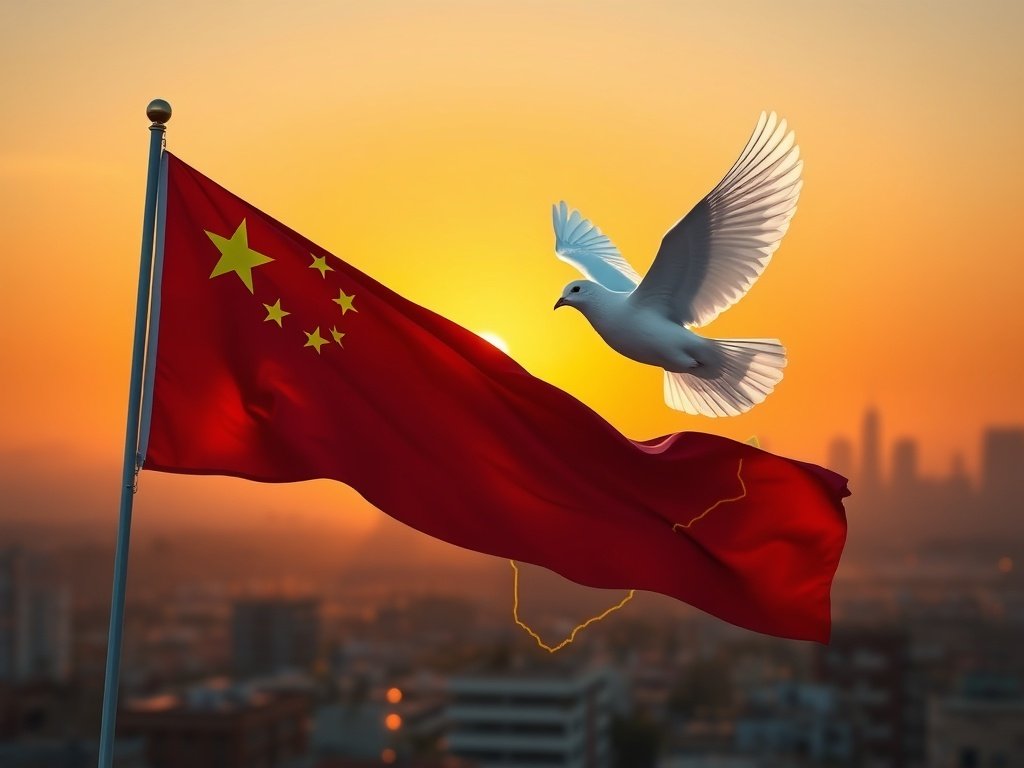
Beijing, 3 February 2026 — In a forceful address to the United Nations Security Council on Thursday, China’s permanent representative Fu Cong urged Israel and all parties in the Gaza Strip to honor the cease‑fire agreement brokered in late October 2025. The envoy warned that, despite the formal end of the first phase of fighting, aerial bombardments and ground operations continue, driving civilian casualties upward.
Cease‑fire That Has Not Held
The truce, mediated by Egypt and Qatar and endorsed by the UN, called for an immediate halt to offensive actions, the opening of humanitarian corridors, and a phased Israeli withdrawal from the densely populated enclave. While the initial 48‑hour pause was observed, subsequent weeks have seen intermittent shelling, air strikes on what Israel describes as “militant infrastructure,” and a steady rise in non‑combatant deaths.
Fu Cong highlighted the disparity between the accord’s text and on‑ground realities: “More than three months have elapsed since the first stage of the cease‑fire was sealed, yet the rhythm of military strikes persists and civilian deaths are on the rise.” His remarks marked a rare direct criticism of Israel within the UN framework.
Beijing’s Humanitarian Demands
Fu laid out four concrete steps for Israel to bring the cease‑fire into full effect:
- Compliance with International Humanitarian Law – Uphold Geneva Convention obligations, protect civilians, ensure proportionality, and prohibit indiscriminate attacks.
- Unrestricted Humanitarian Access – Open all Gaza border crossings, including Rafah (Egypt) and Erez (Israel), for aid, medical supplies and essential services.
- Removal of Barriers to Aid Agencies – Lift restrictions on UN agencies, NGOs and other relief actors; condemn any impediments.
- Cessation of Suppression of Humanitarian Workers – End intimidation, arrests or violence against aid personnel.
These points reinforce China’s broader foreign‑policy narrative of championing multilateralism and the rules‑based international order, especially where civilian populations suffer.
Support for Palestinian Governance Post‑Conflict
Fu also reaffirmed Beijing’s willingness to back a Palestinian‑led framework for governing Gaza once hostilities cease. “China will continue to support Palestine’s leading role in post‑conflict governance,” he said, hinting at possible Chinese involvement in reconstruction, economic revitalisation and institutional rebuilding.
West Bank Settlement Expansion and UNRWA Compound Demolition
Beyond Gaza, the Chinese envoy warned that Israel’s ongoing settlement expansion and tacit endorsement of settler‑related violence in the West Bank create a volatile environment that threatens broader peace efforts. He called for an immediate halt to settlement construction and a decisive crackdown on attacks against Palestinian civilians.
Fu expressed “grave concern” over the demolition of a United Nations Relief and Works Agency (UNRWA) compound in East Jerusalem, characterising it as a forcible encroachment on protected humanitarian infrastructure. The demolition has sparked protests from multiple international actors and raises alarms about the erosion of UN‑protected sites.
Geopolitical Implications and Reactions
China’s assertive language marks a shift from its historically cautious stance. Analysts note three possible motivations:
- Strategic Positioning – Projecting Beijing as a credible global mediator and alternative to Western powers.
- Domestic Audiences – Aligning with China’s “peaceful rise” narrative and responsible global stewardship.
- Bilateral Relations – Balancing strong economic ties with Israel against deepening relationships with Arab states.
The United States has not issued a formal response, though insiders suggest Washington views the remarks as a diplomatic challenge. European Union members, already frustrated with the stalled cease‑fire, may welcome Beijing’s call while remaining cautious about overt alignment.
Outlook: Prospects for a Permanent Cease‑fire
The conflict remains in a fragile, low‑intensity phase. Humanitarian agencies continue to report shortages of water, electricity and medical supplies, worsened by partial border closures. Fu’s appeal stresses the need to move from a temporary pause to a “permanent cease‑fire” that includes humanitarian access, reconstruction and political reconciliation.
If the Security Council adopts a resolution echoing Beijing’s demands, Israel could face heightened diplomatic pressure, potentially coupled with targeted sanctions or incentives. Conversely, a lack of consensus may embolden hardliners on both sides, prolonging civilian suffering.
Conclusion
China’s intervention at the United Nations demonstrates a willingness to translate rhetorical support for international law into concrete diplomatic pressure. By demanding that Israel honour the cease‑fire, lift humanitarian restrictions, halt settlement expansion and respect UN facilities, Beijing is carving out a more visible role in a conflict traditionally dominated by Western and regional actors. Whether this approach yields tangible changes on the ground remains uncertain, but Fu Cong’s statements provide a clear benchmark for the international community’s next steps.