Copenhagen Flag Controversy Highlights Strains in U.S.–Danish Relations Over Afghanistan Legacy

By Anna Roylo
A Tribute Born of Grief and Politics
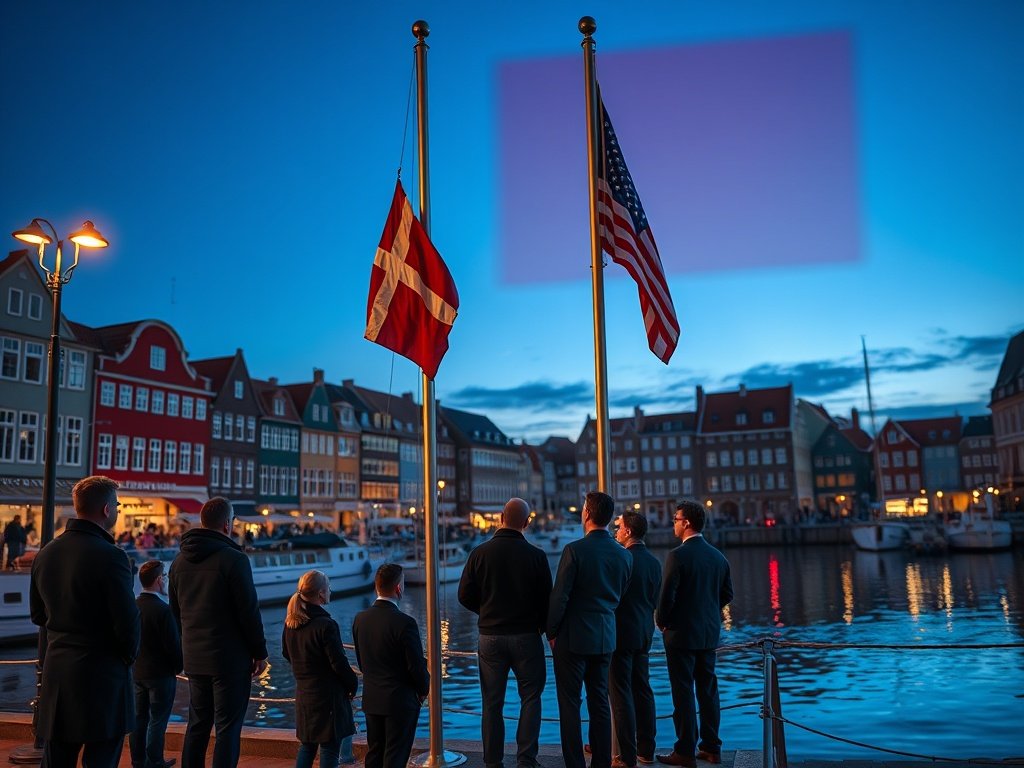
When a modest row of white‑flower planters outside the United States Embassy in Copenhagen was transformed into a somber tribute to Denmark’s fallen soldiers, the gesture quickly became a flashpoint in a wider diplomatic dispute. The display—44 Danish flags each bearing the name of a compatriot killed in Afghanistan—was erected on a Tuesday as a response to President Donald Trump’s recent remarks that NATO troops “stayed a little back, a little off the front lines” during the two‑decade‑long war.
Denmark’s participation in the International Security Assistance Force (ISAF) and later the Resolute Support Mission cost the nation 44 servicemen, a casualty rate that, per capita, matches that of the United States. In early January, a coalition of veteran groups led by the Danish Veteran Association decided to honour the dead by placing a flag for each soldier in the embassy’s front garden. Each flag bore the individual’s name, turning the garden into a rolling roll‑call of sacrifice.
The Embassy’s Response and the Policy Behind It
Within 24 hours, embassy personnel entered the garden and removed the flags. A brief statement to Danish media explained that the flags had been installed without prior coordination with the diplomatic mission and therefore fell under the embassy’s routine “clean‑up” protocol. A State Department spokesperson said officials were unaware of the tribute until a news outlet raised the issue, adding that the removal was consistent with standard practice for “flags, banners, signs and other items that are sometimes left near the embassy after demonstrations.”
While not codified in any public treaty, the practice reflects a broader diplomatic norm: host‑nation symbols placed on embassy grounds are typically subject to the host country’s permission, and U.S. posts often remove unapproved displays to maintain security and aesthetic standards. Critics note that the policy appears selective, pointing to the embassy’s tolerance of protest signs or commemorative wreaths when they align with U.S. interests.
Voices from the Veteran Community and Local Politics
Carsten Rasmussen, chairman of the Danish Veteran Association, called the removal “an unnecessary action that many Danes perceived as a provocation.” In an interview with AFP, Rasmussen suggested the decision carried symbolic weight, especially after Trump’s comments, which many veterans described as a “betrayal of our brothers in arms.”
Jens‑Kristian Lutken, a city official representing Denmark’s Liberal Party (Venstre), labeled the conduct “completely unacceptable.” Speaking to TV2, Lutken reminded listeners that Denmark had fought alongside the United States in Afghanistan, Iraq, and elsewhere, and that the per‑capita loss of Danish soldiers mirrored that of the United States.
By Wednesday afternoon, private citizens and veteran groups returned the flags, this time in greater numbers. Television reports indicated that hundreds of small Danish flags now dotted the flowerbeds, turning the garden into a sea of national colors. The embassy confirmed that the additional flags would remain pending further diplomatic clarification.
The Wider Diplomatic Context
The flag episode sits at the intersection of several evolving dynamics:
- U.S. Domestic Politics and NATO Relations – President Trump’s skeptical stance toward multilateral institutions has strained long‑standing alliances, prompting European capitals to defend their contributions more vocally.
- Denmark’s NATO Commitment – As a founding NATO member, Denmark’s deployment of special forces and combat engineers in Afghanistan was framed domestically as both a moral imperative and a strategic necessity.
- Symbolic Diplomacy – Flags, monuments and public commemorations serve as soft‑power tools; the removal of a tribute from a partner nation’s civil society can be interpreted as a slight.
- Public Opinion – Polling shows a gradual decline in Danish support for overseas military engagements; incidents that appear to diminish recognition of Danish sacrifices risk further eroding trust.
Potential Repercussions and Next Steps
The veteran community has announced a silent march toward the embassy slated for Saturday, emphasizing non‑violence while urging respectful dialogue between the two nations. Within the U.S. diplomatic corps, senior officials are reviewing the incident to determine whether a more nuanced approach to future commemorations is warranted. Some analysts suggest a formal apology or a joint ceremony could defuse tensions and reaffirm the alliance’s shared history.
In Denmark’s parliament, opposition parties have seized upon the episode to question the government’s handling of the U.S. relationship, arguing for stronger defense of Danish veterans’ honor on the international stage. Whether this will translate into legislative action—such as a resolution recognizing Afghan veterans—remains uncertain.
A Symbolic Standoff With Real‑World Implications
The removal of the flags, while a seemingly small act, underscores a broader narrative: the delicate balance of honoring national sacrifice while navigating shifting international politics. For Denmark, a nation proud of its commitment to collective security, the episode serves as a reminder that symbolic gestures matter, especially when they touch on the memory of those who paid the ultimate price.
As the silent march approaches and both governments assess the fallout, the garden outside the U.S. Embassy in Copenhagen will likely remain a focal point for dialogue—whether through the flutter of a flag, the quiet steps of veterans, or diplomatic notes exchanged behind closed doors.