




| Dhaka
Historic Flight Takes Off
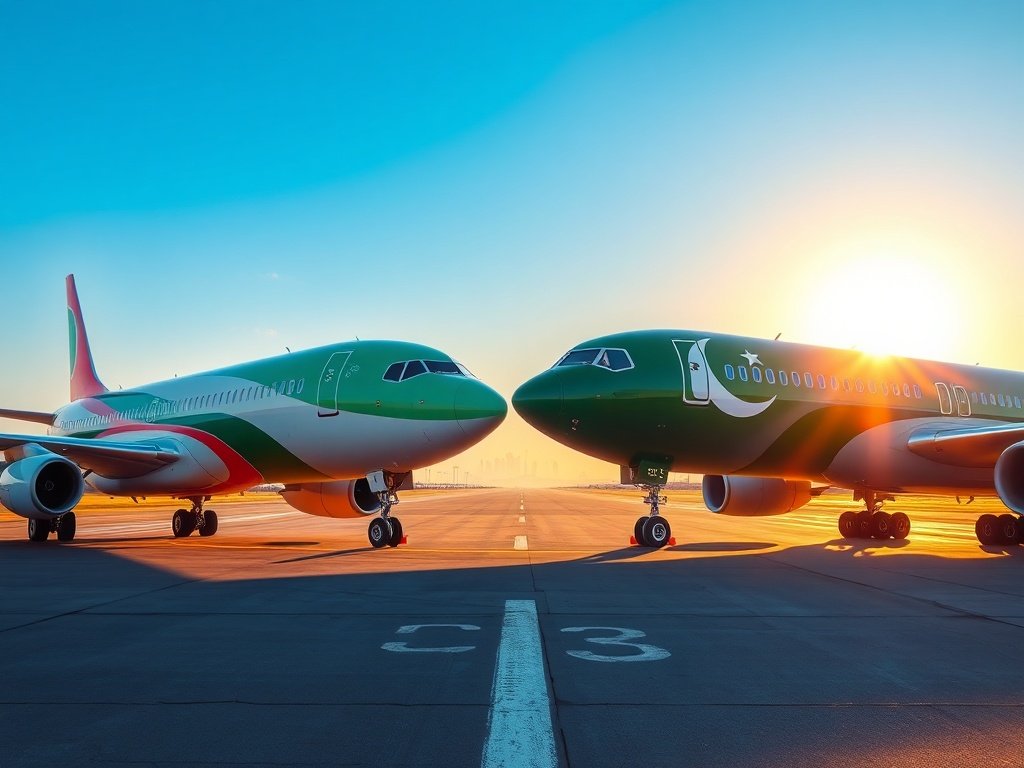
On , Biman Bangladesh Airlines launched a regular, non‑stop service between Dhaka and Karachi, ending a 14‑year gap in direct air connectivity.[1] The turboprop carried roughly 150 passengers and is scheduled twice weekly, with plans to increase frequency as demand grows.
Why the Route Matters
Historical backdrop
Bangladesh and Pakistan were part of a single nation until the 1971 Liberation War created an independent Bangladesh.[2] Since 2012, travelers have relied on third‑party hubs such as Dubai and Doha, inflating costs and extending travel times.
Immediate passenger response
Businessman Mohammad Shahid, who frequently trades between the two economies, said the new link will allow him to travel “every few months” instead of “once every two or three years.”[3] Students, doctors and diaspora communities echoed his optimism.
Economic and Trade Implications
Direct flights complement recent commercial moves, such as the November 2024 restart of cargo vessels between Karachi and Chittagong. Customs data show a 12 % rise in cargo volume in Q1 2025, and analysts project bilateral trade could exceed US$1 billion by the end of 2026.[4]
- Faster movement of high‑value and perishable goods.
- Reduced logistical costs for exporters and importers.
- Potential growth in textiles, pharmaceuticals, and agricultural commodities.
People‑to‑People Exchanges
Education
Bangladeshi enrollment in Pakistani universities has risen, especially in engineering and medical fields. The direct route simplifies visa processing and short‑term academic visits.
Medical tourism
Pakistani hospitals in Karachi and Lahore, known for affordable cardiac and orthopedic care, become more accessible to Bangladeshi patients who previously faced two‑day itineraries through Gulf hubs.
Cultural Soft Power
Since late 2024, Pakistani singers such as Atif Aslam and Rahat Fateh Ali Khan have performed to sold‑out crowds in Dhaka, while Bangladeshi film crews have joined joint productions in Pakistan. The revived flight is expected to accelerate these artistic collaborations.
Geopolitical Context
Bangladesh’s new technocratic coalition, formed after a 2024 student‑led ouster of Prime Minister Sheikh Hasina, seeks a more balanced foreign policy beyond its traditional India‑centric orientation.[5] Pakistan, meanwhile, is recalibrating ties with Afghanistan and Saudi Arabia. Both nations, members of the OIC and SAARC, view the direct air link as a low‑risk step toward broader cooperation on security, climate change and regional trade.
Aviation Industry Perspective
Biman’s fleet modernization with Airbus A321neo aircraft positions the carrier to capture a larger share of South Asian traffic. Initial load‑factor estimates sit at 70 %, with a target of 85 % within the first year.[6] Pakistan International Airlines has expressed interest in a reciprocal service and possible code‑share arrangements.
Challenges Ahead
Visa regimes require periodic renewal, and any tightening could dampen the route’s impact. Security concerns in parts of Sindh and capacity constraints at Dhaka’s Hazrat Shahjalal International Airport and Karachi’s Jinnah International Airport also need attention.
Outlook
The reinstated Dhaka‑Karachi corridor symbolizes a tangible thaw in Bangladesh‑Pakistan relations. If early indicators—rising cargo volumes, growing student flows and positive passenger feedback—persist, the service could evolve into a major South Asian artery, offering a model for other historically strained bilateral links.
“Our renewed link with Karachi is more than a schedule; it is a bridge that will support trade, education, and cultural understanding for years to come,” said a Biman spokesperson.[7]